Infection Control Essentials for First Responders | EMS Guide
Posted by Melissa on 14th Sep 2026
Every call carries some level of exposure risk. Blood, body fluids, respiratory droplets, and contaminated surfaces are part of the job. Strong infection control habits protect you, your crew, your patients, and your family.
This guide covers the core infection control practices and supplies every EMS and fire provider should focus on.
- Hand Hygiene
Hand hygiene remains one of the most effective ways to prevent the spread of infection.
- Use alcohol-based hand sanitizer when hands are not visibly dirty.
- Wash with soap and water when hands are visibly soiled or after caring for a patient with certain infectious conditions.
- Perform hand hygiene before and after patient contact, after removing gloves, and after touching potentially contaminated surfaces.
Keep sanitizer easily accessible on the unit and in your personal gear.
- Gloves – Your First Line of Barrier Protection
Nitrile exam gloves are the standard for most EMS patient contacts.
Best practices:
- Choose powder-free, latex-free nitrile gloves.
- Stock multiple sizes so every provider has a proper fit.
- Change gloves between patients and whenever they become torn or heavily contaminated.
- Avoid touching your face, phones, or clean equipment while gloved.
- Remove gloves carefully to avoid contaminating your hands.
- Eye and Face Protection
Eyes and mucous membranes are routes of exposure.
- Wear safety glasses or goggles on calls with splash or spray potential.
- Use face masks or surgical masks when respiratory protection is needed.
- Consider higher-level respiratory protection according to your department protocols and current guidance (for example, during certain respiratory outbreaks).
Keep eye protection and masks readily available so they are actually used.
- Sharps Safety
Needlesticks and sharps injuries are serious risks.
- Never recap needles by hand.
- Place used sharps immediately into a proper sharps container.
- Use sharps containers that are puncture-resistant and clearly marked.
- Do not overfill containers.
- Report any sharps exposure immediately according to department policy.
Portable sharps containers should be available on the unit and in trauma or ALS bags.
- Surface Disinfection and Cleaning
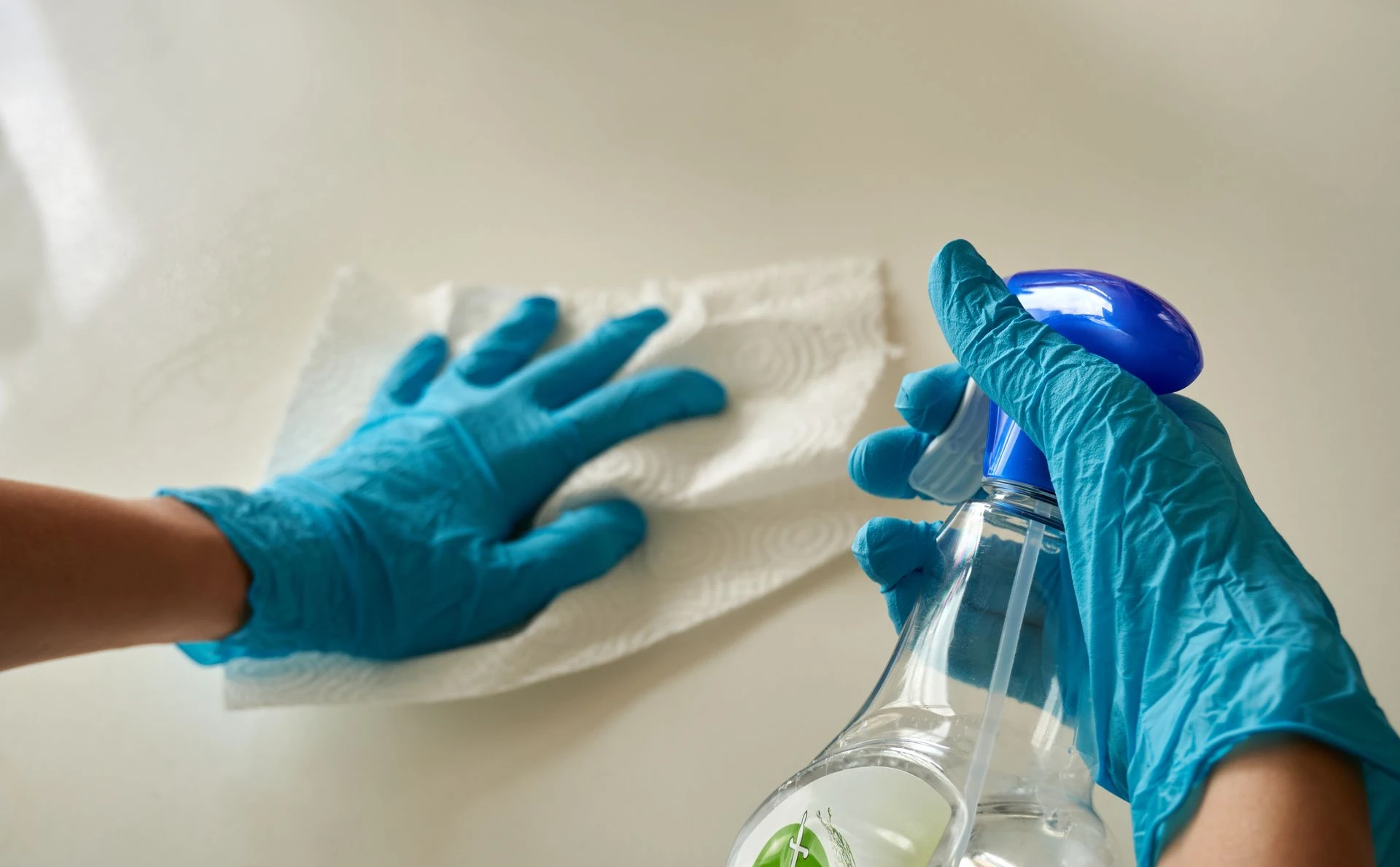
Ambulances, stretchers, bags, and equipment become contaminated during calls.
Key practices:
- Clean and disinfect high-touch surfaces between patients (stretcher rails, monitors, door handles, etc.).
- Use EPA-registered disinfectants appropriate for the pathogens of concern.
- Follow the required contact (wet) time listed on the product.
- Pay special attention to reusable equipment that contacts patients.
- Keep disposable disinfectant wipes easily accessible for quick cleanup.
- Proper Removal and Disposal of Contaminated Items
- Remove PPE carefully to avoid self-contamination.
- Dispose of contaminated gloves, dressings, and disposable supplies in appropriate bags.
- Use biohazard bags for items saturated with blood or body fluids.
- Clean or launder reusable items according to department policy.
- Respiratory Hygiene and Cough Etiquette
- Encourage patients to cover coughs and sneezes.
- Offer masks to patients with respiratory symptoms when appropriate.
- Position yourself appropriately and use barriers when needed.
- Increase ventilation in the patient compartment when possible and safe.
Recommended Infection Control Supplies for EMS
A practical infection control setup should include:
- Powder-free nitrile exam gloves (multiple sizes)
- Eye protection
- Face masks
- Sharps containers
- Disinfectant wipes or sprays
- Biohazard bags
- Hand sanitizer
- Alcohol prep pads
My EMS Supply carries many of these core items used daily by first responders.
→ Shop Gloves & Infection Control Supplies → Shop Disinfectant Wipes & Cleaning Supplies → Shop Sharps Containers
Building Good Habits
Supplies only work if they are used consistently. Make infection control part of your routine:
- Gloves on before patient contact
- Eye protection when splash risk exists
- Immediate sharps disposal
- Cleaning high-touch surfaces after every call
- Hand hygiene after glove removal
Review exposure protocols regularly and know how to report and follow up on potential exposures.
Final Thoughts
Infection control is not glamorous, but it is essential. The right supplies combined with consistent habits significantly reduce your risk. Stock quality nitrile gloves, maintain good sharps discipline, disinfect surfaces properly, and protect your eyes and face when needed.
Need to restock gloves, sharps containers, disinfectant wipes, or other infection control supplies? Our team of firefighters and EMTs understands the real-world demands of the job.
Contact us for department pricing or product recommendations: Contact My EMS Supply